AR Runner
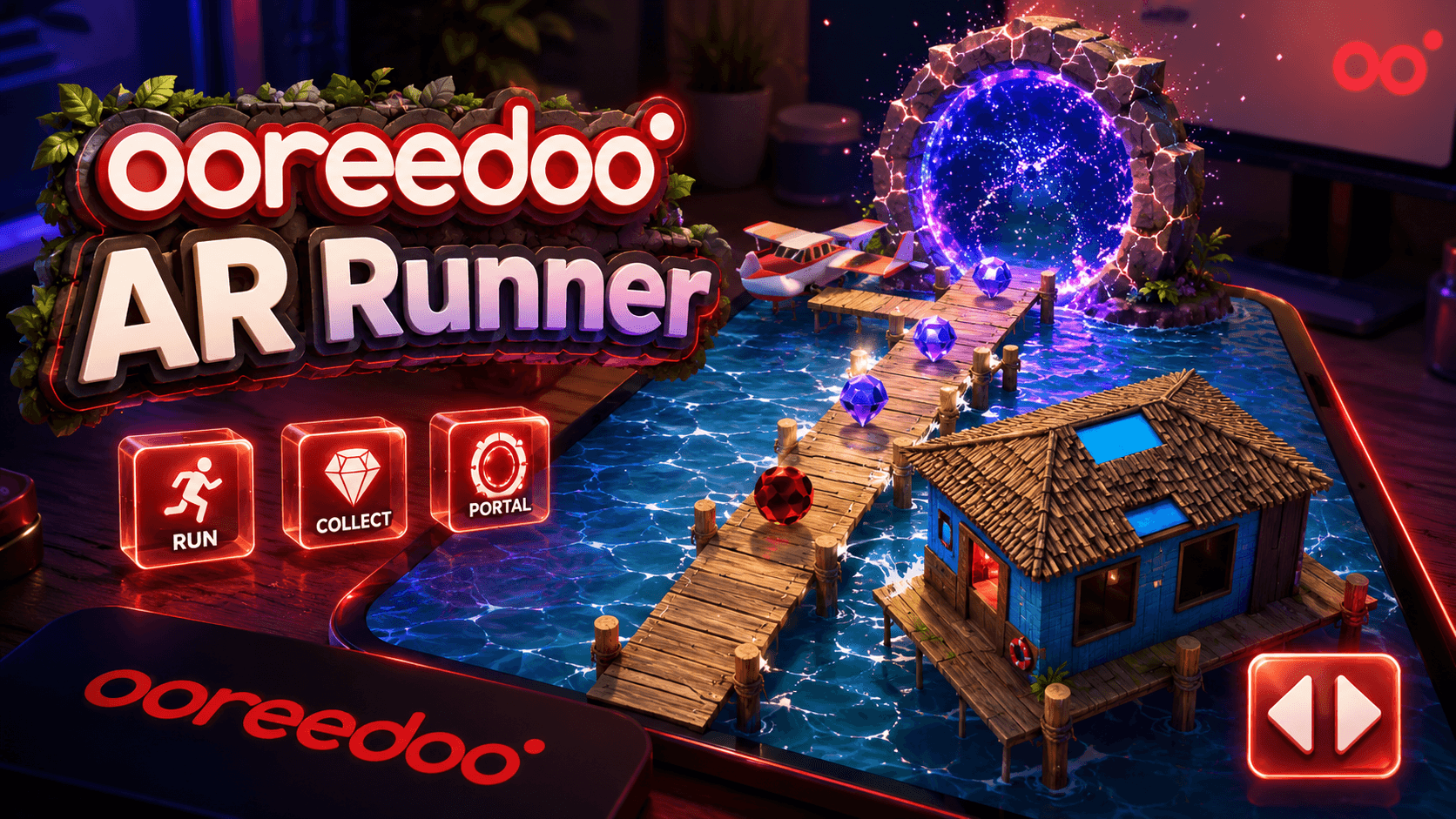
Developed an augmented reality endless runner game using Unity3D, designed around marker-based activation mechanics that transformed physical environments into interactive gameplay spaces. The game combined AR interaction, real-time obstacle spawning, animated portal systems, and collectible-based gameplay to create an engaging mobile gaming experience that blended digital content with the real world.
The core gameplay experience was built around a marker-based AR system where the game environment and gameplay elements were activated through real-world image or surface recognition. Once activated, players entered an immersive AR gameplay session in which obstacles dynamically emerged through animated portal effects while the player character continuously moved through the environment. Players were required to react quickly by avoiding incoming obstacles while collecting in-game items such as coins and rewards to increase their score and progression.
A major focus during development was creating smooth and responsive gameplay mechanics within an augmented reality environment. This included implementing real-time obstacle spawning systems, collision handling, collectible mechanics, portal animations, movement systems, and optimized AR tracking workflows to ensure stable gameplay across mobile devices. Considerable attention was also given to balancing gameplay responsiveness and AR performance to maintain immersion and minimize latency during player interactions.
The project combined traditional endless-runner gameplay principles with augmented reality interaction design, creating a more immersive experience compared to conventional mobile runner games. By integrating animated visual effects, real-world activation systems, and interactive AR gameplay mechanics, the application demonstrated how Unity3D and AR technologies could be used to create engaging next-generation casual gaming experiences.
This project showcased expertise in Unity3D game development, AR integration, marker-based interaction systems, gameplay programming, animation workflows, collision systems, and mobile performance optimization while highlighting the potential of augmented reality within interactive entertainment and casual gaming.